.webp)


How to Teach Any Board Game in Minutes (Even to Non-Gamers)

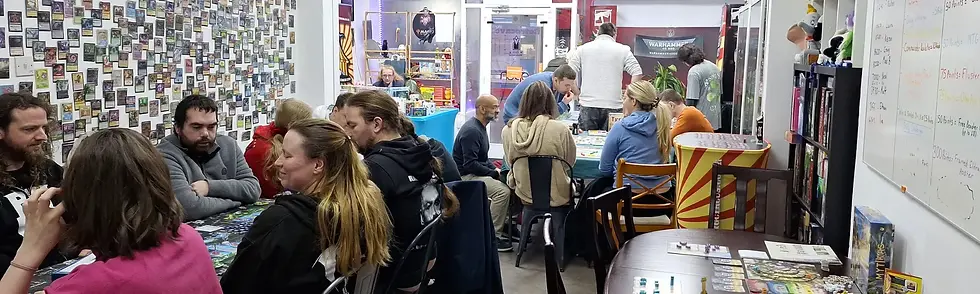
Every month, we run the Big Top Board Game Mini Convention in Poole at the Retrocave. Part of this event involves learning and demonstrating 20 different games for our community. This experience has taught us a lot about how to introduce games to new players so that everyone has a great time.
In this article, we’re sharing our behind-the-scenes tips to help you teach any board game like a pro, even to friends who have never picked up a card or rolled a die before.
How to Choose the Right Game
The first step to teaching a game effectively is picking a game that matches your players’ experience level. Ask questions about the types of games they enjoy or their familiarity with common mechanics like worker placement, deck building, or drafting.
Once you know what they like and how comfortable they are with gaming, you can tailor both the game choice and the way you explain it. For beginners, stick to games with simple mechanics, like Carcassonne for tile placement or Sushi Go! for drafting. For more experienced players, you can introduce games with more layers, like Wingspan or Everdell.
Teaching Games Without Reading the Rules
One of the biggest mistakes new teachers make is reading the rulebook aloud while explaining the game. This can be overwhelming and make the game feel more complicated than it really is.
If the game is new to you, play it once yourself first. This gives you a clear understanding of the mechanics and allows you to simplify explanations, highlight the fun, and show confidence when teaching. My wife and I do this together all the time—it’s our secret to running smooth demos at conventions.
How to Explain Games Quickly
Condensing the rules is key. Focus on the core actions players need to start playing, and save the nuances for later.
For example, when teaching Wingspan, you don’t need to explain every small detail at the start. Instead, you can say:
“There are four main actions: place a bird, gain food, lay eggs, and draw cards. Move your cube from right to left as you perform each action and activate any abilities along the way.”
This keeps the explanation simple, digestible, and actionable, letting players dive straight into the game.

Board Game Tips for New Players
For brand-new players, here are three tips to make the first experience enjoyable:
Stick to one main mechanic per game. Let players focus on a single core action like drafting cards, placing tiles or pushing their luck. This helps them understand future games faster.
Keep explanations easy. Avoid overloading new players with every rule. Games like Carcassonne or Ticket to Ride are perfect for beginners. (For more great games to get people started check out our Getting Started page on the website.)
Encourage conversation. Chatting at the table not only builds community but helps you recommend games for future sessions.
Teaching Complicated Board Games Fast
Teaching heavier games can feel intimidating, but a few strategies make it much easier:
Check the players’ readiness. Ensure they’re up for a longer or more complex game.
Break turns into bite-sized steps. Use a printed turn sequence cheat sheet for reference.
Organize the table. Keep tokens, cards, and boards clearly laid out to reduce confusion and speed up play.
Games with multiple layers like Everdell: Silverfrost or Gloomhaven: Jaws of the Lion benefit from this structured approach.
Quick Tips Summary
Play a new game yourself before teaching it.
Pick games that match experience levels.
Explain the core actions first, save the rules for later.
Use cheat sheets for complex turns.
Keep the table organized and encourage social interaction.
Teaching games should be fun and engaging, not stressful. With practice, you can help anyone enjoy board games, from casual friends to hardcore gamers.
FAQs
Q: How do I teach a board game quickly?
A: Focus on the core actions and goals, provide a sample turn, and use cheat sheets for more complicated rules.
Q: What are the best beginner board games to teach?
A: Games with simple mechanics like Carcassonne, Ticket to Ride, Sushi Go! or Kingdomino are ideal.
Q: How can I help non-gamers enjoy a game?
A: Pick easy-to-learn games, keep explanations simple and encourage casual conversation during play.
Q: Can I teach complex games like Wingspan or Everdell effectively?
A: Yes! Condense turn sequences, use cheat sheets and organize the table clearly. Start with core actions and add details gradually.


Comments